
Canoe-dling
Mining and Medaling for precious metals

I dreamt this past weekend about canoeing.
There was a reason for this. It was a particularly busy week for me, and I’ve been running podcasts in the background (alternating with Olympics coverage). At the end of last week, I spent some time with Heather Cox Richardson, and her interview with Minnesota Senator Tina Smith (which you can watch on YT). The focus of their conversation was the Boundary Waters.
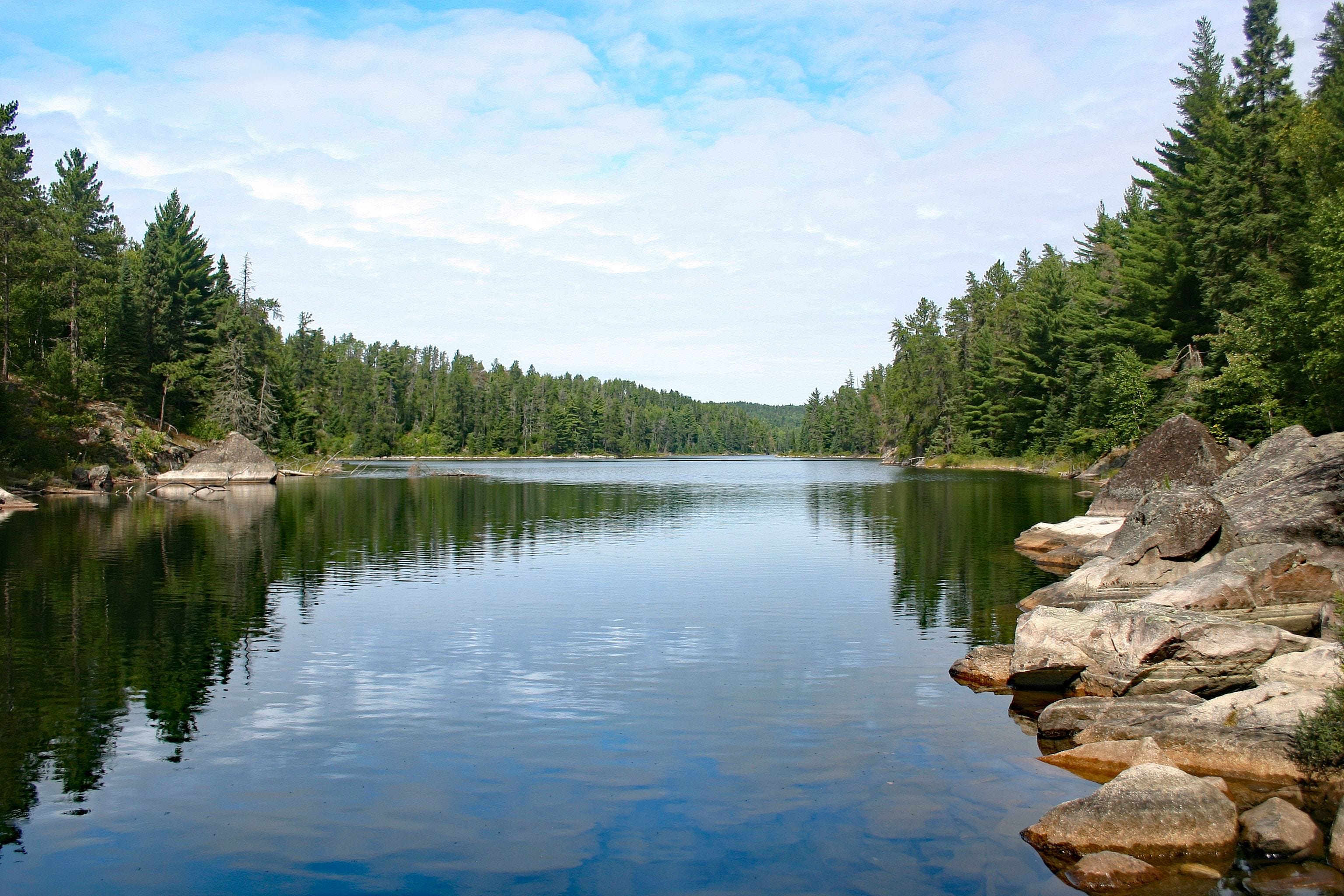
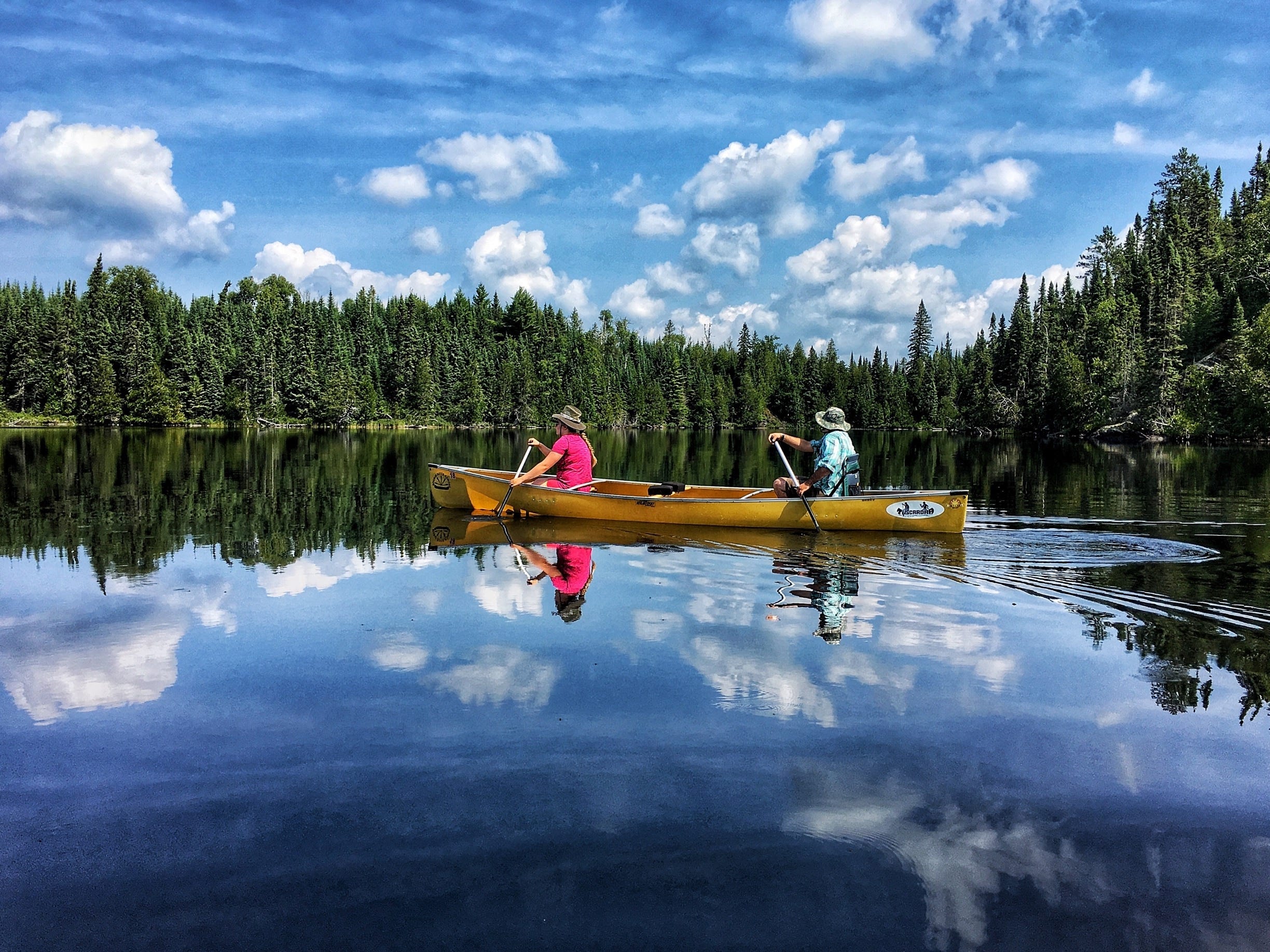
I can’t speak for everyone who grew up in the upper Midwest, but the Boundary Waters (or more precisely, the Boundary Waters Canoe Area Wilderness) was kind of a rite of passage for me. The BWCAW is protected land on the border between Minnesota and Canada. It’s one of the largest such areas in the country. I first visited when I was in high school, and returned multiple times when I was in college in Minnesota. It’s gorgeous land (and water), and it’s a destination for hiking, camping, canoeing, fishing.
Like nearly other nice thing in this country, the current regime is looking to ruin it. In this case, they’re looking to overturn protections that date back to the beginning of the 20th Century, and were confirmed three years ago by the Biden Administration. They want to sell a chunk of this land to a Chilean mining company (Antofagasta), so they can open up a copper mine near the headwaters of the area. The chances that this will devastate the area are pretty high, even if we set aside the track record from this particular conglomerate.
What makes this even more infuriating is that the regime is (of course) violating the law in order to do so. Using the Congressional Review Act, the Republicans are both misapplying the act, using to review something that cannot be overturned this way, and they are ignoring the 60-day window that the act provides, using it to veto protections that have been place for 3 years. “Additionally, rules revoked under the Congressional Review Act cannot be reinstituted, meaning it would likely not be feasible to reinstitute similar mining protections in the region in the future.” But then, that’s par for this particular course1. This is only the latest step2 in the ongoing privatization of public goods, whether it’s lands, resources, or utilities.
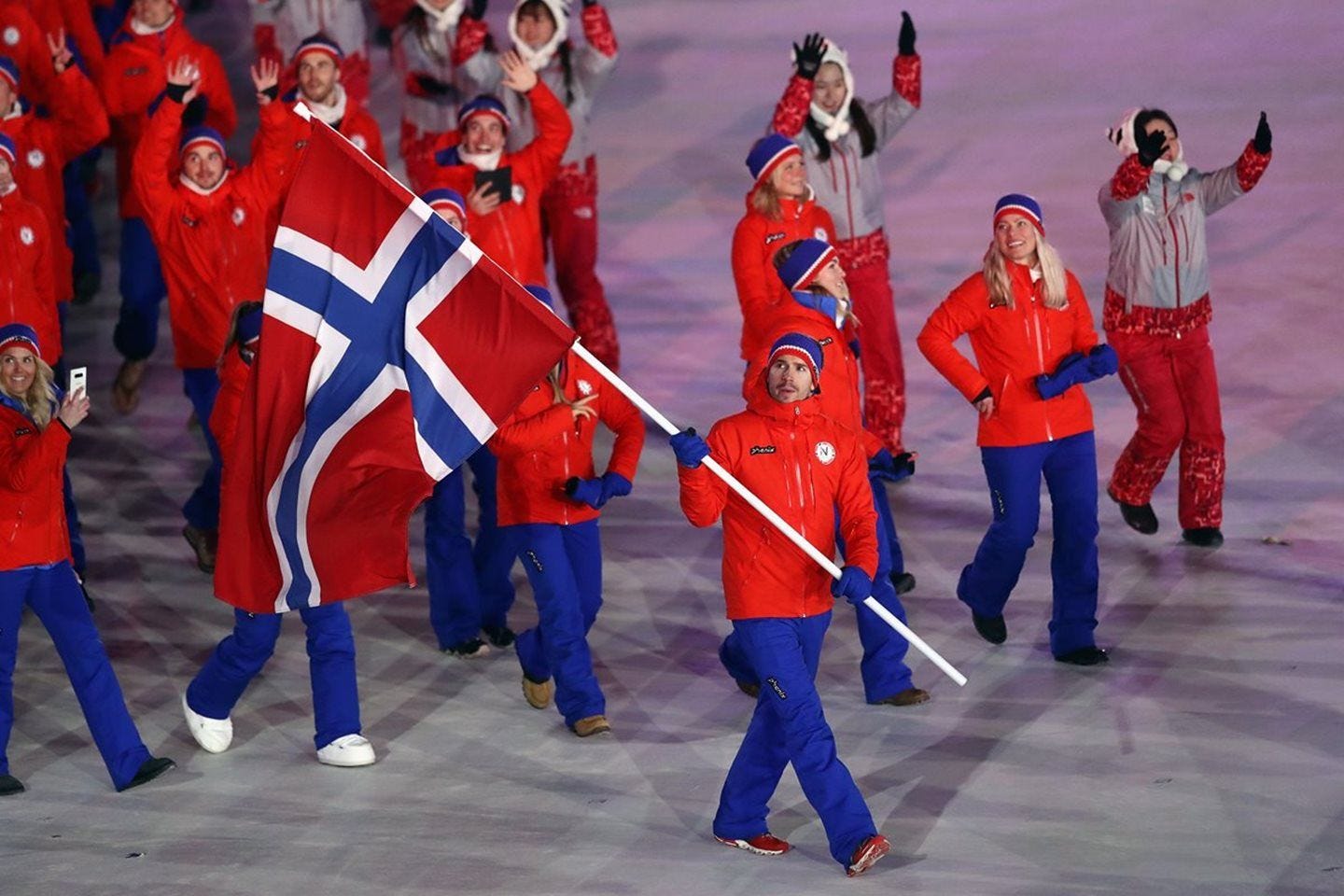
The Winter Olympics provided an interesting counterpoint to the corruption of our current regime and indeed, the approach that our country takes. While it was nice to see Alysa Liu and the USA hockey squads pull out gold medals, Norway managed to take home the most medals, and it wasn’t particularly close. A country with relatively the same population (and GDP) as Minnesota, Norway’s success owes much to geography, but there’s something about its attitude towards these sports that’s particularly foreign to those of in the US.
I think it was during the women’s curling semifinal that Peacock decided to interrupt their coverage with a video package, which initially pissed me off. But as I watched it, I ended up getting hooked. Mary Carillo narrates a story about the “Nor Way,” the way that the Norwegian government treats outdoor sports as a public good, devoting resources and policies to getting children involved early and often in winter sports. They emphasize participation and play rather than competition, providing space, equipment, and supervision for anyone who wants to try. It ends up being a touching piece, about the lifelong benefits of play, friendship, and physical activity, and it’s only seven minutes if you want to follow the link above.
Anne Helen Petersen wrote about Carillo’s piece as well this weekend, putting it in the broader context of American sports, and the way that we have steadily priced our own children (and families) out of this kind of engagement. Not only have facilities and equipment become more expensive and exclusive, but our national culture, with respect to athletics, professionalizes children at an increasingly younger age.
They just want to play. And they want to play with their friends. And the only way to do it, at least within the current American paradigm, is through private organizations that profit off that basic, beautiful desire, effectively trapping families in a kids' sports MLM.
I was never all that interested in skiing—I never did it often enough to feel a degree of control that offset my fear of mangling my limbs at downhill speeds—but I played soccer growing up, right at the front edge of “traveling team” culture. (In high school, we definitely got psyched up for our annual games against the “rich” team from the area.) Petersen writes that “…it's really difficult for most kids to maintain a casual relationship to sports” and that’s in part because that professionalization is contagious. I attended a summer soccer camp down in St. Louis one year with some friends, precisely because we felt like we had to do so in order to “keep up.” I remember having fun anyway, but I think we underestimate the extent to which that attitude infects childrens’ sports and ends up being off-putting to everyone but the most obsessive (children and parents). Carillo mentions in her piece that “70% of kids in the US quit organized sports by the age of 13.”
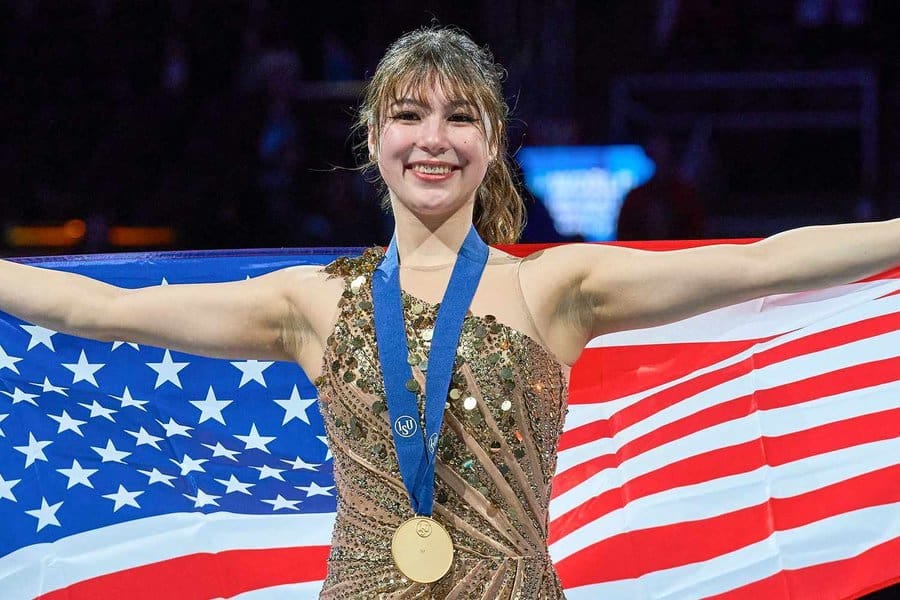
We don’t have to look any further than Alysa Liu to see the brittleness of the US approach. There have been all sorts of stories about Liu’s “retirement” (at the age of 16) and return to figure skating. But Liu herself has been pretty aggressive about putting her story out there, describing herself as
the girl who started skating at age 5, trudged to practice and followed a schedule that other people had set for her, all to compete in a sport in fulfillment of other people’s dreams. And the last two years had come amid a pandemic, leaving the extroverted Liu—already fighting through homeschooling to accommodate skating—with almost no real-life interactions. She felt trapped.
That idea, that our children might excel at sports (or anything) as a means of fulfilling our own dreams or ambitions, is one that we continue to fuel to this day, from coaches’ kids on teams to social media parents turning their own children into props for their content. I forget where I saw it, but one commentator this year made note of the fact that an outsized percentage of this year’s competitors come from families where at least one other member was also an Olympic athlete.
I’ve drifted a fair ways from my original point, but they’re still intertwined in my mind. Those trips to the boundary waters (or local ski hills, or public tennis courts, or basketball hoops in the park…) are about an approach to public activity that’s grown increasingly scarce over the course of my life. To the extent that I find myself nostalgic for the good old days, those are the kinds of things that I imagine. I remember when the “Nor Way” didn’t feel quite so far out of reach in this country. Of course, I also remember when we had leaders who were a little less interested in breaking our country into parts and selling it off to billionaires. Funny how that works.
[Just as I was finishing up this episode, Richardson posted a piece on the Boundary Waters based on her conversation with Smith, which I recommend to you.]
You might recall, for example, the way that Senate Republicans invented a rule to block President Obama from nominating a Supreme Court Justice, only to violate this alleged “principle” four years later during the big, beautiful beta test.
No story about the ongoing kleptocracy would be complete without a little personal corruption. Richardson explains that “the owner of Antofagasta, Chilean billionaire Andrónico Luksic, began to try to get leases from the U.S. government for exclusive mining rights to the lands near the BWCAW in 2012. In 2013, conservationists began a campaign to ban mining there, and in 2016 the Obama administration blocked Luksic’s plans. Shortly after Trump was elected in 2016, Luksic bought a mansion in Washington, D.C., that he then rented to Trump’s daughter Ivanka and son-in-law Jared Kushner.” I’m pretty sure that the word rented there should be scare-quoted.
i have a picture of you in mind standing on Jesus rocks in the BW, posing as if you are a body builder :)